A good hookah mix is not just several random flavors in one bowl. For a clear, balanced result, consider the role, intensity, and proportion of every component.
Start with simple combinations. It is much easier to learn which flavor is the base, which one supports it, and which one overwhelms the rest.
Start With Two Flavors
Your first mix only needs two components: a main flavor and a supporting one. The main flavor sets the direction; the second adds freshness, acidity, sweetness, or depth.
- mango and citrus;
- grape and mint;
- peach and berries;
- cola and lemon;
- watermelon and a fresh note.
Do not start with four or five components. The more flavors you add, the harder it is to understand each one’s role.
Choose the Main Flavor
Which flavor do I want to taste most clearly?
That flavor should take up the biggest share of the mix. If you want a mango-forward bowl with a little tang, make mango the base and add lemon or another citrus as a supporting note. Equal shares do not always feel equally strong: some aromas dominate even in small amounts.
Use Simple Ratios
For a start, use three basic formulas.
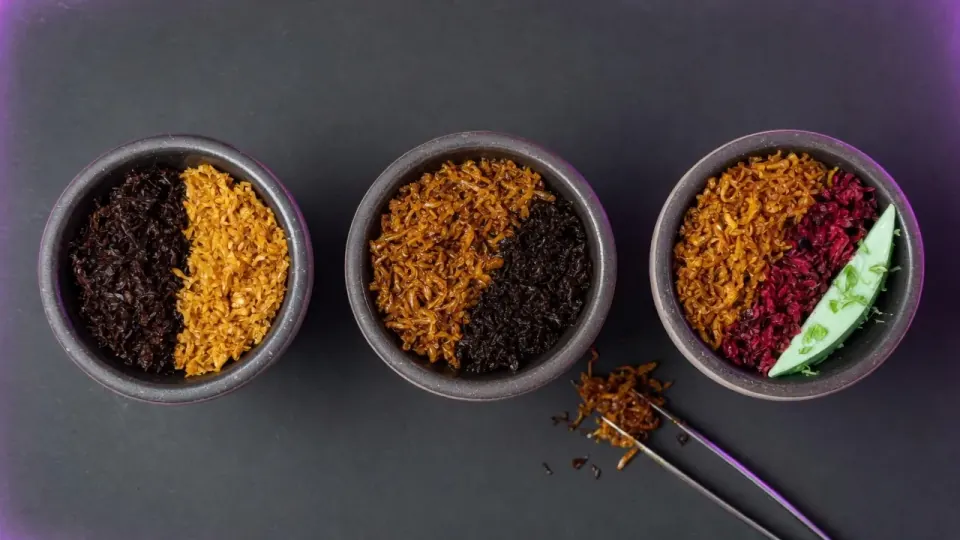
50/50
Works well when two flavors have similar intensity: peach and raspberry, watermelon and melon, strawberry and banana.
70/30
One flavor becomes the base and the other supports it: 70% mango with 30% citrus, or 70% grape with 30% mint. It is one of the clearest starting points for beginners.
60/30/10
Use this for three components: 60% base, 30% supporting flavor, and 10% accent. Add a third component only after you understand simpler combinations.
Consider Aroma Intensity
Mint, cooling components, spices, strong citrus, and vivid dessert flavors can all feel much brighter than other notes.
How to Pair Flavors
One of the easiest approaches is to start with combinations you already know from food and drinks: strawberry and cream, apple and cinnamon, lemon and mint, coffee and vanilla, mango and passion fruit.
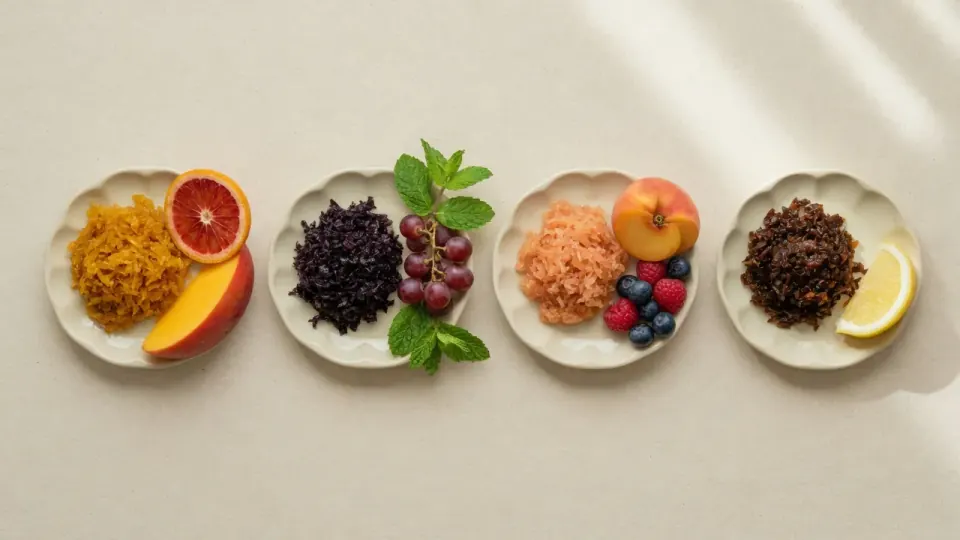
Sweet and Sour
An acidic component keeps a sweet mix from becoming cloying: mango and lemon, berries and grapefruit, or apple and lime.
Fruity and Fresh
Mint or cooling notes make a fruit profile feel lighter: grape and mint, watermelon and cooling, or citrus and freshness.
Fruity and Creamy
Creamy and dessert notes soften acidity: peach and cream, berries and yogurt, or banana and vanilla.
A Simple First-Mix Process
- Choose one flavor you like.
- Decide what it lacks: freshness, acidity, sweetness, or depth.
- Add one fitting component.
- Start with a 70/30 ratio.
- Assess the result after the session.
- Change only one proportion next time.
Common Mistakes
Too Many Flavors
More components do not automatically make a mix more interesting. Often the taste becomes muddy and overloaded.
No Main Note
If equally intense flavors are used in equal shares, the mix can feel chaotic.
Too Much Mint or Cooling
These components easily overpower softer aromas.
No Notes
If a mix turns out well but you do not record the ratios, it is difficult to repeat.
The Key Takeaway
- start with two flavors;
- choose one main component;
- use simple ratios;
- add mint, cooling, and spices carefully;
- change one variable at a time.
In Mixly, you can find ready-made mixes, explore pairings by flavor, and save the combinations you like. Use the app as a starting point, then adjust the ratios to your own preferences.
Frequently Asked Questions
What ratio is best for a first mix?
Start with 70/30: one flavor is the base and the other is a supporting note.
How many flavors should a beginner mix?
Start with two. Add a third only after a few successful experiments.
Can I mix tobacco from different brands?
Yes, but brands may differ in strength, moisture, and response to heat. For early experiments, similar products are easier to work with.
How much mint should I add?
Start with roughly 10–20% and increase gradually.