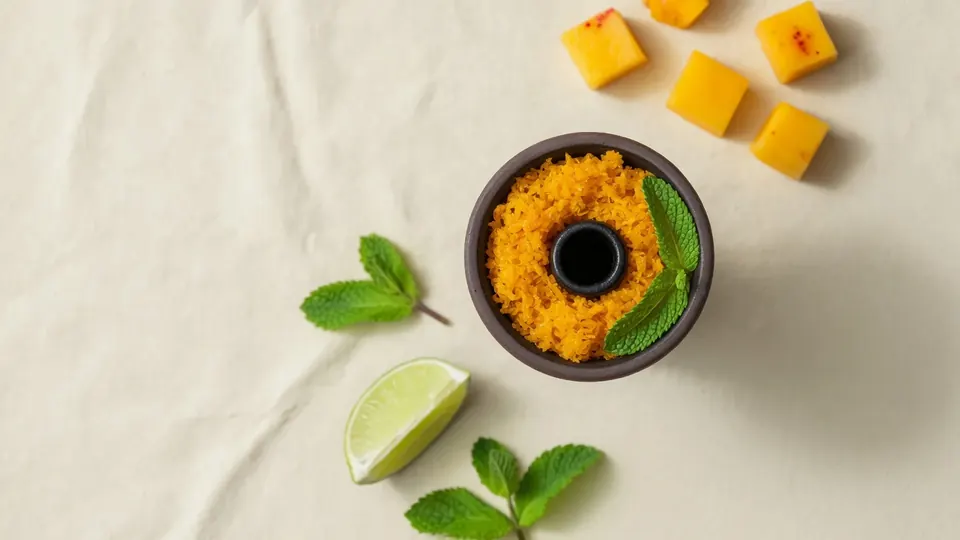
What a mix base is
The base is the flavor you should recognize first and the one that takes the largest share in the bowl. Without a clear base, a mix turns into noise: every note speaks at once and none leads.
A good base is usually stable, recognizable, and not overly sharp. It leaves room for support and accent flavors instead of fighting them.
Three roles in the bowl: base, support, accent
Before you ask “what pairs with what”, assign roles:
- Base (60–80%) — the main profile that leads the session;
- Support (20–35%) — softens, deepens, or adds juiciness;
- Accent (5–15%) — mint, citrus, spice, light tartness; small share, clear effect.
If you are new, two roles are enough: base + support or base + accent. For the full build process, see how to mix hookah tobacco.
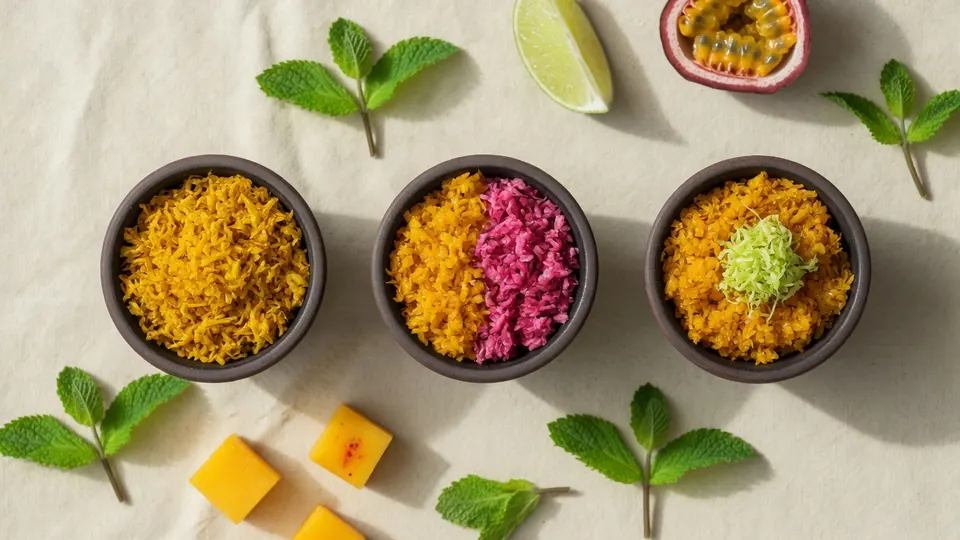
How to choose a base: 5 simple criteria
- Familiar flavor. Start with something you already like on its own — it is easier to hear what support adds.
- Medium intensity. A base that is too loud eats everything else; one that is too quiet disappears under the accent.
- Profile width. Fruit, berry, dessert, and juicy flavors work as a base more often than sharp citrus or pure mint.
- Session goal. Long calm bowl — soft fruit/berry base. Short bright mix — denser and sweeter can work.
- Accent compatibility. If you want mint or citrus on top, the base should tolerate freshness instead of clashing with it.
Which flavors often work as a base
- Fruit: mango, peach, melon, grape, apple — a clear mid-line with room for accents;
- Berry: strawberry, raspberry, blueberry — bright, often friendly with mint and citrus;
- Dessert: vanilla, caramel, milk chocolate — for warmer mixes;
- Juicy: watermelon, lychee, multi-fruit — good when not overloaded with sourness.
Be careful with pure mint, ice cooling, clove, and very sour citrus: excellent accents, rarely a calm base. See the map in hookah flavor profiles.
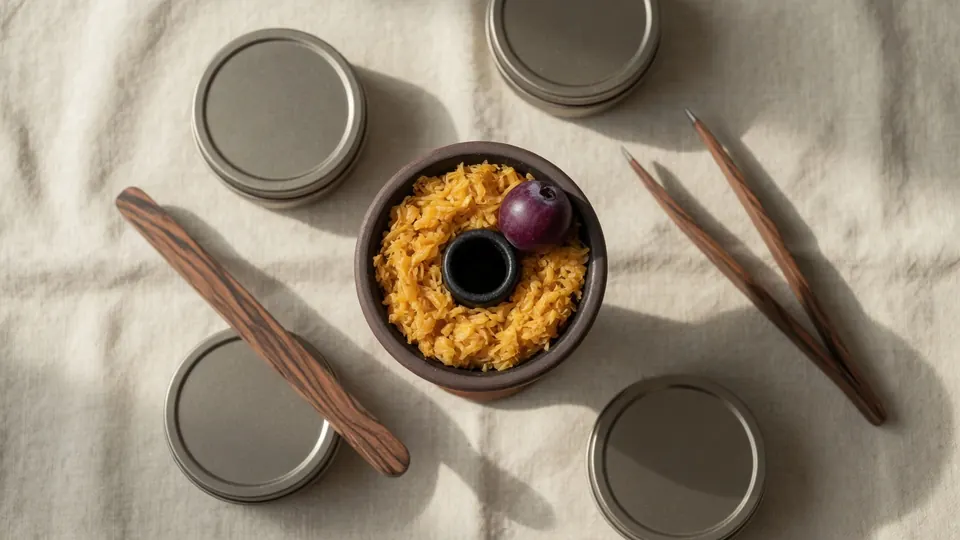
Order: base first, everything else second
A practical order without opening ten tins:
- Pick a base by mood (fruit / berry / dessert).
- Lock a share — for example 70%.
- Add one support from a neighboring profile or one bright accent note.
- Pack the bowl and check: is the base still clear after 5–10 minutes?
- Change only one variable next time: share, accent, or strength.
Common mistakes when choosing a base
- Using the loudest flavor as the base “so it tastes strong” — it drowns the support.
- Two 50% bases from clashing profiles with no shared line.
- Starting with mint or cooling as the base — the session turns flatly cold.
- Ignoring strength: a heavy base plus a heavy accent fatigues faster. See hookah tobacco strength.
Key takeaway
The base is not “just another flavor” — it is the anchor of the mix. Pick a familiar mid-strength profile, give it the largest share, add one support or accent, and check that the base still reads after a few minutes. Once the base is stable, it is easier to explore flavor combinations and beginner recipes.
Frequently Asked Questions
Can two flavors form the base together?
Yes, if they are from the same family (two fruits, two berries) and read as one clear profile. Otherwise prefer one base and one support.
What base share is best for beginners?
Aim for 70/30 or 80/20. The base stays in the lead, and the second flavor reads as character rather than a rival.
Why does the base fade after 10 minutes?
Usually the accent is too strong, heat is too high, or the pack is too dense. Lower the accent and check component strength.